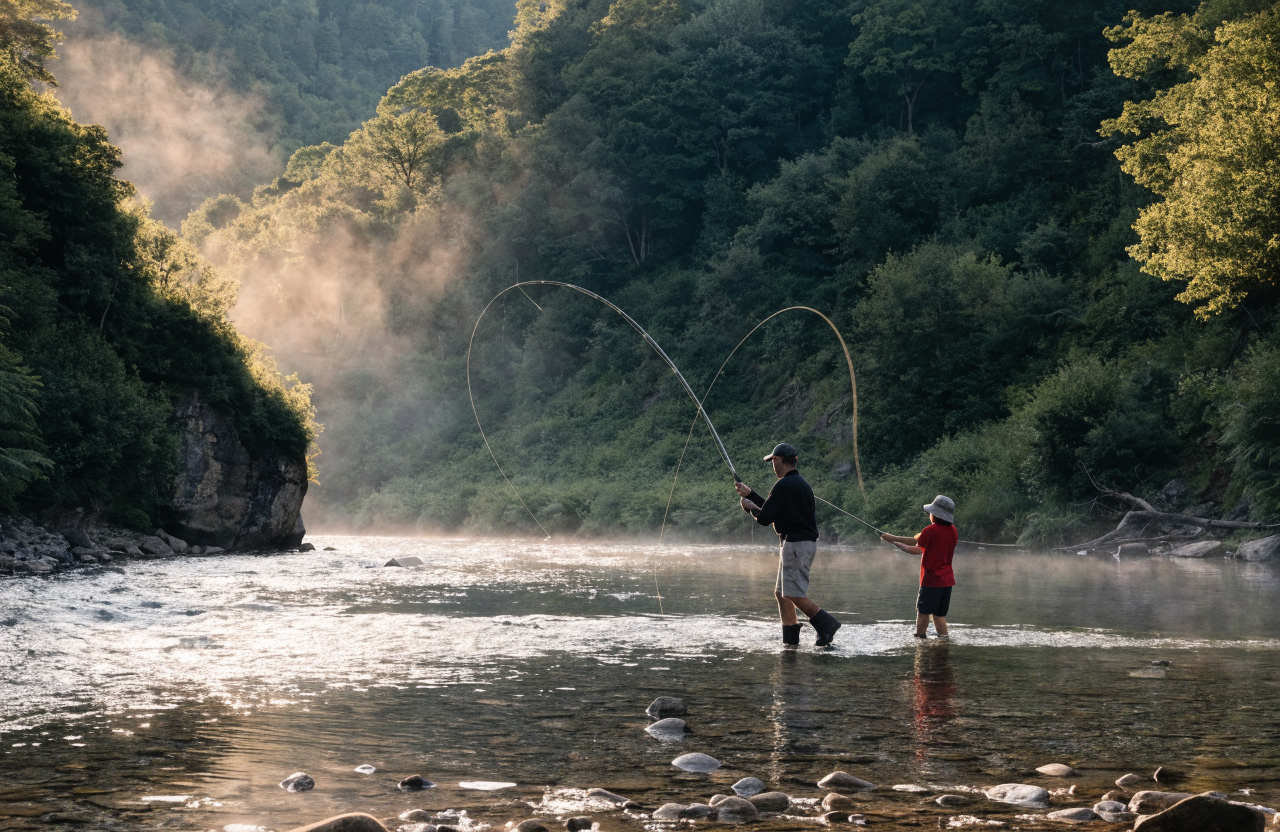
Montessori education rests on a simple, radical idea: children learn best by doing, in an environment rich with real materials and real consequences. The prepared classroom is a beautiful thing, but the original prepared environment was always the natural world. Few places make that clearer than a trout stream on a cool morning, where a child discovers that patience, observation, and a steady hand are not abstract virtues but practical tools.
What a River Asks of a Young Learner
Consider what a river asks of a young learner. To catch a fish on a fly, you have to notice which insects are hatching, read the current for the seams where trout hold, and match your movements to the rhythm of the water. Nobody hands you the answer. You test a theory, watch the result, and adjust, which is exactly the cycle of concentration and self-correction that Maria Montessori spent her life describing.
West Virginia happens to offer one of the finest outdoor classrooms in the country. The experience of fly fishing elk river wv puts families in cold, clear mountain water surrounded by hardwood forest, where wild and stocked trout reward the observant angler. It is the kind of place where a lesson in cause and effect writes itself, no worksheet required.
If you want to see what that setting looks like before planning a trip, this video captures the water and the fishing well:
A Day That Fills With Subjects
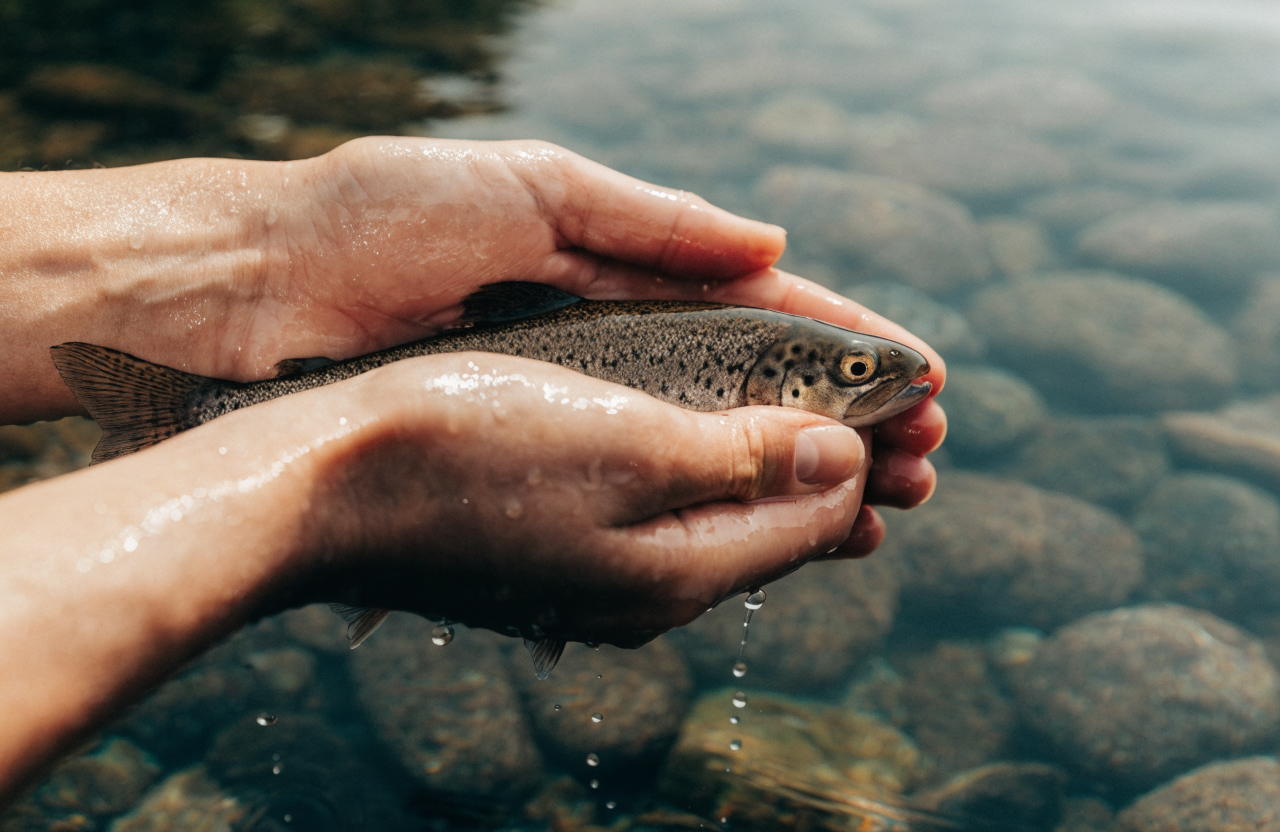
The homeschooling parent will recognize how naturally the day fills with subjects. There is biology in the life cycle of the mayfly, physics in the arc of a cast, and geography in the way a watershed gathers rain from a hundred ridgelines. A child keeping a small journal of what they saw and caught is practicing scientific observation and writing in the same breath. None of it feels like school, which is why it sticks.
Just as important is what the river teaches about failure. A tangled line, a spooked fish, a fly caught in a streamside branch, these are the small frustrations that build resilience. In a Montessori environment we protect a child’s freedom to struggle productively, and moving water is an honest, uncomplaining teacher. It never scolds and never praises; it simply responds.
Packing the Waders Beside the Workbooks
There is also the matter of stillness. Our children are rarely asked to be quiet and attentive for long stretches, yet a trout stream demands exactly that. Standing hip-deep, watching a drift, waiting for the subtle pause that means a fish has taken, a restless mind slowly settles. Parents often report that the calm follows their children home and lingers for days.
You do not need to raise an angler to reap the benefits. The goal is not the fish but the disposition: curious, patient, observant, and comfortable learning from direct experience. Pack the waders alongside the workbooks, point the family toward a mountain river, and let the current do some of the teaching. The lessons waiting there are older than any curriculum and every bit as worth passing on.