Parents who choose Montessori education place a great deal of trust in schools to provide not only a nurturing learning environment but also a safe and secure one. Montessori classrooms emphasize independence, movement, and exploration, which makes thoughtful protection measures especially important. Ensuring child safety requires a balanced approach—one that protects students without creating an atmosphere of fear or restriction. By combining physical safeguards, technology, staff training, and clear procedures, Montessori schools can reinforce the trust parents place in them every day.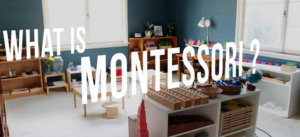
Physical Security Foundation
Physical security is the foundation of a safe school environment. Controlled entry points are essential so that all visitors are monitored before accessing classrooms. Secure doors, clearly defined entrances, and locked access during school hours help prevent unauthorized entry while still allowing for smooth daily operations. Video doorbells and intercom systems play a growing role in this effort, allowing staff to visually confirm visitors before granting access. Supporting components, such as a properly installed doorbell transformer, ensure these systems operate reliably and consistently, which is critical during busy arrival and pickup times.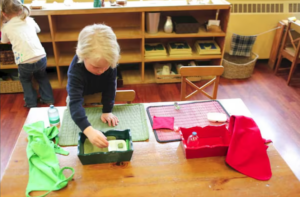
Surveillance & Monitor
Surveillance and monitoring systems further enhance safety when used appropriately. Strategically placed cameras in common areas, hallways, and exterior spaces help staff remain aware of activity throughout the campus. These systems are not meant to replace human supervision but to support it, providing an added layer of awareness. Clear policies about camera use and privacy help reassure parents that monitoring is focused solely on safety and accountability.
Staff Training
Staff training is one of the most important protection measures a Montessori school can implement. Teachers and administrators should be trained to recognize potential risks, follow access protocols, and respond calmly in emergency situations. Regular drills for fire, severe weather, or lockdown scenarios help staff react quickly and confidently if the need arises. Because Montessori environments encourage freedom of movement, staff awareness and preparedness are especially important to ensure children remain safe while exploring their surroundings.
Parent/Teacher Communications
Communication systems also play a vital role in school safety. Reliable internal communication allows staff to quickly share information if an issue arises. External communication with parents—through apps, text alerts, or email systems—helps maintain transparency and trust. When parents know that the school has dependable systems in place, including secure entry technology powered by components like a doorbell transformer, it reinforces confidence in the school’s commitment to safety.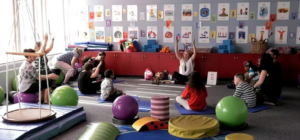
A culture of safety extends beyond hardware and procedures. Montessori schools thrive when safety is integrated into daily routines in age-appropriate ways. Teaching children basic safety habits, such as staying within designated areas and recognizing trusted adults, supports protection without undermining independence. When combined with secure facilities, trained staff, and dependable technology, these practices create an environment where children can learn freely and parents can feel confident in their choice.
Protecting children in a Montessori school is about layered, thoughtful measures that work together seamlessly. By investing in reliable infrastructure, ongoing training, and clear communication, schools honor the trust parents place in them and create spaces where children can grow, explore, and thrive safely.
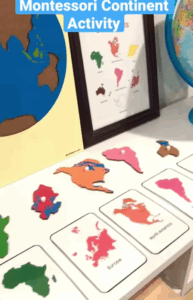 One of the most effective Montessori methods for teaching toddlers geography is the use of puzzle maps and globes. These materials allow children to physically remove and replace states, countries, or continents, transforming abstract shapes into something they can touch and manipulate. When a child picks up a puzzle piece shaped like California or Arizona, they begin to associate physical form with geographic location, creating early spatial awareness. Teachers may also use sandpaper maps, where children trace the textured outlines of the states with their fingers, reinforcing placement and geography through sensory input. Over time, toddlers build familiarity with map shapes and regions naturally, without pressure or formal memorization.
 Incorporating storytelling is another way to make geography come alive. Children love stories, and connecting places on the map with real human or natural features gives meaning to the shapes they see. For example, when teaching about the state of California, introducing the story of the
 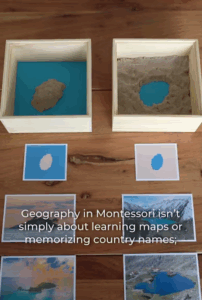 Montessori classrooms often emphasize project-based learning, which can make geography feel like exploration. Teachers may set up themed workstations such as “Southwest Desert,” “Pacific Coast,” or “Great Lakes,” where children handle objects connected to those areas—smooth river stones, seashells, photographs, small animal figures, or replicas of natural features. Art is another powerful tool; toddlers can paint maps, build landforms from clay, or craft collages of different states using natural colors and textures. Even cooking can become a geography lesson when children help prepare simple snacks inspired by different U.S. regions. The more senses engaged, the deeper the learning experience.
 One of the most important
  It is a proven fact that children can start learning in the Montessori way, even when they are
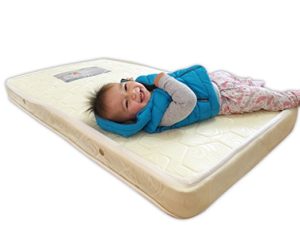
 Everyone knows that a sleepy two-year-old is not a much fun to deal with. They have increased tantrums and a general discontentment with everything. The same is true for both younger and older children. When your infant is sleepy, they get cranky. They will want to fuss more than play and interact with you. When an older child gets sleepy, they may want to kick back in front of a TV rather than play. A quality bed that is age appropriate will help, no matter what stage of Montessori Learning they are in.
 One of the greatest things about
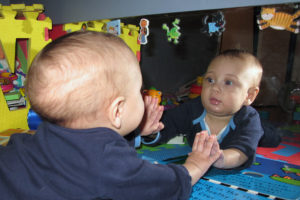 Learning Only Begins at Infancy
 What Is Montessori Learning?
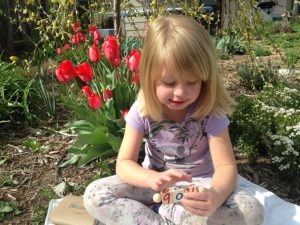 experimentation. If you want to increase their learning potential and ensure that it is fun for them to explore; you can choose from a variety of toys to